You can wear the best shoes, train well and have a perfect training plan, but if you start a long run on an empty stomach, if you don’t stay hydrated during a race in hot weather, or if you don’t recover properly after a demanding session, your performance will suffer.
Sports nutrition for running doesn’t have to be complicated. It’s not about consuming everything, but about understanding what each product is for: when to choose a gel, when to opt for a bar, when to use an isotonic drink, when electrolyte tablets make sense, what role protein plays, and why vitamins and minerals shouldn’t be seen as a source of instant energy.
In this guide, we explain what to consume before, during and after running so that you can make better choices about your nutrition depending on the type of training, distance and goal.
The basic rule: before, during and after
Before we look at each product, bear this in mind: every moment serves a different purpose.
Before a run, we aim to feel energised but not sluggish. During exercise, we want to maintain our pace, avoid feeling drained and stay hydrated. After a run, the focus shifts: it’s time to recover.
| Moment | Goal | Recommended food |
|---|---|---|
| Before | Arriving full of energy and feeling good | Energy bars, energy drinks, energy gels if you’re short on time |
| During | Maintain energy levels, hydration and electrolytes | Gels, energy bars, isotonic drinks, salts |
| After | A better recovery | Proteins, recovery drinks, carbohydrates, minerals |
From here on, the key is to choose based on duration and intensity. You don’t need the same gear for a gentle 40-minute run as you do for a 2-hour run, a half-marathon, a marathon or a trail run.

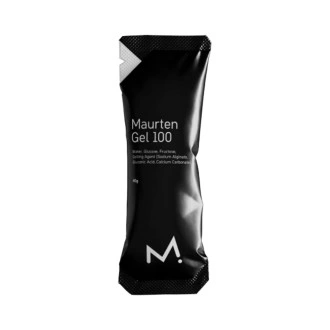
Energy gels: quick energy when your body needs it
Energy gels are one of the most widely used products in running because they serve a very clear purpose: to provide energy quickly, conveniently and in a form that’s easy to carry.
They’re small, lightweight and easy to carry on a belt, in a pocket or in a vest, and are designed to be taken whilst exercising. That’s why they work particularly well during races, long runs and training sessions where you don’t want to stop or carry solid food.
When to take running gels
Energy gels are particularly useful when your training session or race starts to go on for a while.
They can be useful for:
- Runs lasting more than 60 or 75 minutes.
- Half marathons.
- Marathons.
- Trail running.
- Long interval training sessions.
- Demanding sessions where you need to maintain your energy levels.
- Fun runs if you’re going to be running for a long time.
For short efforts, such as a gentle 30- or 40-minute run, it’s not usually necessary to take gels. In that case, a good pre-run meal and proper hydration are usually sufficient.
Caffeinated or caffeine-free gels
There is one key difference between gels: whether they contain caffeine or not.
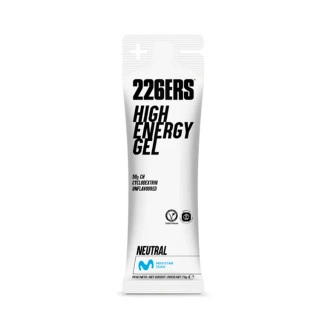
Caffeine-free gels are the easiest to use as the basis of your race plan. They provide carbohydrates during exercise and can be taken more regularly.
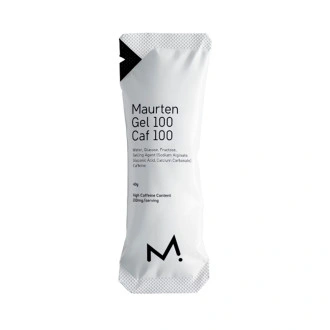
Caffeinated gels can be useful at specific moments: the final stretch of a half-marathon, the last few kilometres of a marathon, or a high-intensity session where you’re looking for an extra boost. However, you shouldn’t overuse them or try them for the first time on race day.
Caffeine can work very well for some runners and only moderately well for others. Therefore, if you’re going to use caffeinated gels, try them out beforehand during training sessions.
Gels to maintain your pace
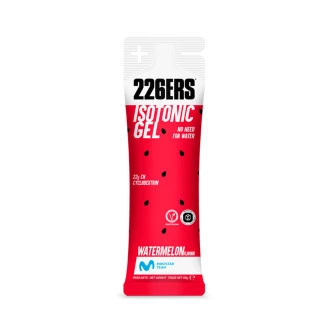
Choose energy gels for your long training sessions and races. You can combine caffeine-free gels as the basis of your race strategy with caffeinated gels for key moments.
Energy bars: when you need something a bit more substantial to eat
Energy bars serve a similar purpose to gels, but offer a different experience. They provide energy, but you chew them, they’re more filling and they’re more like real food.
This makes them very useful for long training sessions at a comfortable pace, trail runs, mountain hikes or races where you can eat at a more leisurely pace.
When to choose energy bars instead of gels
Energy bars work best when the pace isn’t too high and your stomach can cope with chewing whilst exercising.
They’re a good option for:
- Trail running.
- Ultra-trail.
- Long runs at a gentle pace.
- Mountain training sessions.
- Runs where you want to alternate between gels and solid food.
- Just before a training session if you need a quick snack.
In a fast road race, where your heart rate is high and breathing is heavy, it can be more difficult to chew and digest a bar. In that case, a gel is usually more practical.
On the other hand, on trails or during long, relaxed runs, alternating between gels and bars can help prevent you from getting tired of the same texture and flavour.
Energy for long runs and trail running
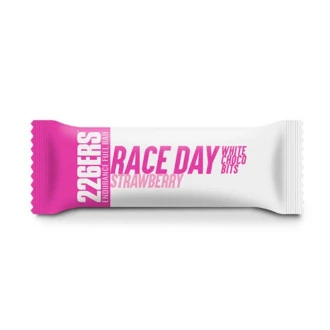
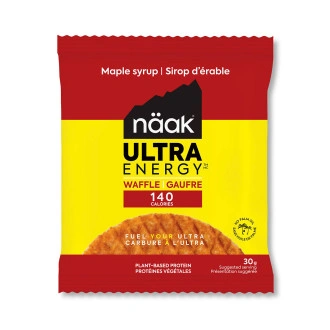
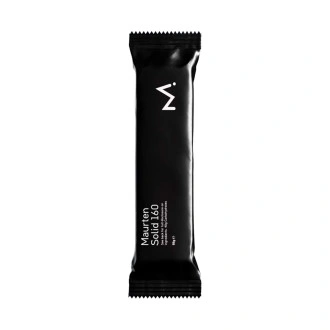
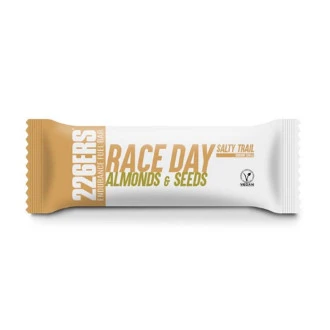
Bars, waffles and solid snacks are a great option for long runs, mountain training sessions and outings where you need a more sustained source of energy that’s easy to pace yourself with.
Isotonic drinks: hydrate and energise at the same time
Isotonic and energy drinks are very useful because they can serve a dual purpose: helping you stay hydrated and providing energy or electrolytes whilst you exercise.
When it comes to running, we often think only about eating, but drinking properly is just as important. This is especially true if it’s hot, if you’re sweating a lot, or if you’re going to be running for quite a long time.
When to drink an isotonic drink whilst running
Isotonic drinks are ideal for:
- Training in hot weather.
- Long runs.
- Half marathons.
- Marathons.
- Trail running.
- Races where you want to manage your energy more effectively.
- Days when you find it hard to take energy gels.
- Training sessions with a hydration vest or belt.
A drink containing carbohydrates and electrolytes can help you maintain a steady supply of energy and fluids, without having to rely solely on gels every so often.
It can also be useful for runners with sensitive stomachs, provided they try it beforehand and find the right concentration.
Drink mix, isotonic or recovery drink
Not all sports drinks serve the same purpose.
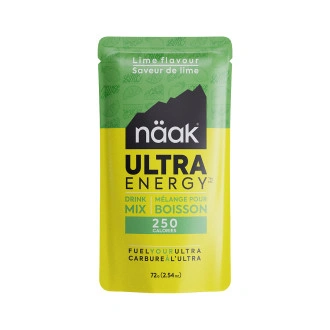
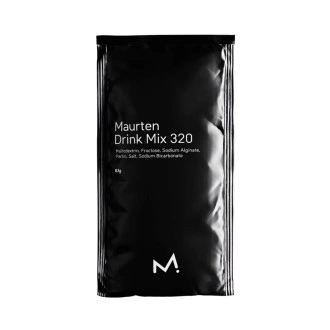
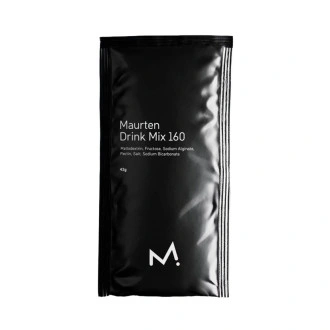
An isotonic drink is usually designed to hydrate and replenish electrolytes during exercise. A carbohydrate-based drink mix aims to provide extra energy during long training sessions or competitions. A recovery drink is more focused on post-exercise recovery.
So, before choosing, think about when you’ll be using it: before, during or after.
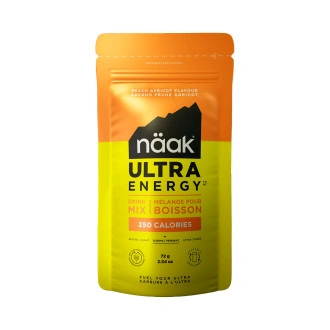
Drinks to keep you hydrated and maintain your energy levels
Isotonic drinks, drink mixes and recovery drinks to cover different stages of your training: energy during the race and recovery afterwards.
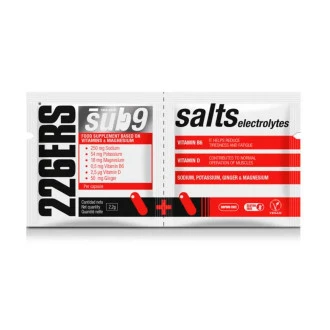
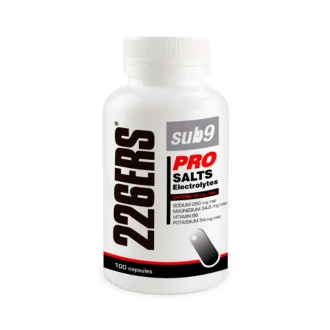
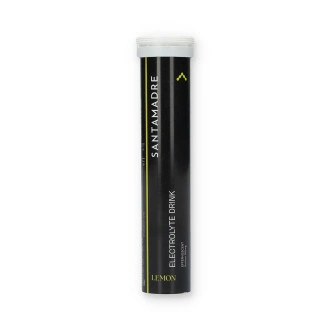
Salts and electrolytes: key when you’re sweating a lot
Salts and electrolytes are particularly important when heat, humidity or the duration of your run cause you to lose a lot of fluid through sweating.
Not all runners need salts on every run. For a short, gentle run, they’re probably not necessary. But on long runs, races in hot weather or trail runs, they can make all the difference.
When to take mineral salts whilst running
Salts and electrolytes can be useful in:
- Summer.
- Training sessions in very hot weather.
- Humid days.
- Runs lasting more than 90 minutes.
- Marathons in high temperatures.
- Trail and ultra-trail running.
- Runners who sweat profusely.
- Sessions where you finish feeling drained or with cramps.
The main function of salts is not to provide energy like a gel, but to help replenish some of the electrolytes you lose through sweat. That’s why they go very well with water, isotonic drinks or gels, depending on the duration of the effort.
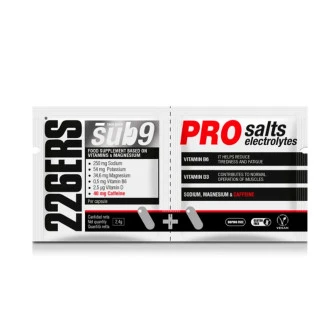
Salts and electrolytes for running in the heat
Perfect for long training sessions, trail running, summer running and runners who sweat profusely. Use them to support your hydration, not as a substitute for a good energy strategy.
Proteins for runners: recovery, not an immediate boost
Protein raises a lot of questions in the world of running. The key is to understand its role properly.
Protein isn’t what you usually need during a race. If you’re running a half-marathon, a marathon or a long run, your priority during the effort will be carbohydrates, fluids and electrolytes.
Protein mainly comes into play afterwards.
When to take protein if you run
Protein can be beneficial for:
- Recovery after long training sessions.
- Days involving interval training or high-intensity sessions.
- After strength training sessions.
- Weeks with a heavy training load.
- Training for a half-marathon, marathon or trail run.
- When you find it difficult to meet your daily protein intake through food alone.
After running, your body needs to recover. That’s where carbohydrates come in to replenish energy, and protein to support muscle repair and adaptation to training.
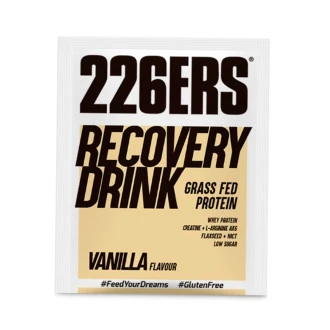
This doesn’t mean you always have to have a shake. If you can have a full meal after training, that’s perfect. But if you’re in a rush, training away from home or find it hard to eat straight away, a recovery drink or protein shake can be a convenient solution.
Recovery after running
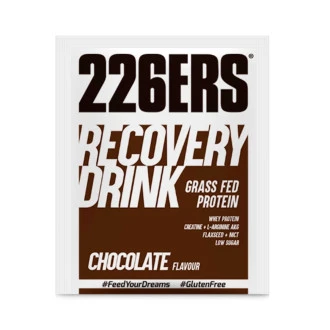
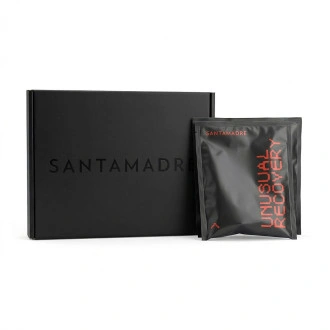
Protein and recovery drinks to help your body after long runs, demanding sessions or strength training days.
Vitamins and minerals: support, not instant energy
Vitamins and minerals are not an energy gel. They do not provide an instant energy boost, nor will they make you run any faster if you take them just before setting off.
Their role is different. They can provide support during periods of high training load, for runners with specific needs, or for people who, due to their diet, blood test results or professional advice, need to boost their intake of certain nutrients.
When might they make sense?
Vitamins and minerals may be beneficial in the following situations:
- Periods of high training volume.
- Long-term marathon or ultra-marathon training.
- Restrictive diets.
- Accumulated fatigue.
- Cases where blood tests indicate a deficiency.
- Recommendation from a nutritionist, doctor or specialist.
It’s important to exercise caution here: more isn’t always better. If you suspect you may have a deficiency or have been experiencing unusual fatigue for some time, it’s best to discuss this with a professional.
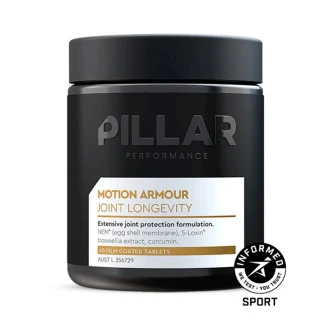
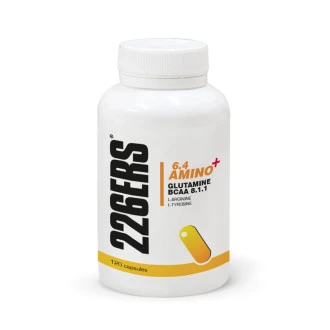
Vitamins and minerals to support your training
A useful supplement at specific times, particularly if you train heavily or have specific needs. They are not a substitute for a balanced diet.



What to drink depending on the type of training session or race
This is the easiest way to choose a diet: think first about how long you want it to last and what your goal is.
A gentle run of less than 60 minutes
For a short, comfortable training session, you don’t usually need energy gels or bars during the session.
The important thing is to make sure you’ve eaten well beforehand and to drink water if it’s hot.
What to take: water, a good meal beforehand and, if you’re training in very hot weather, an electrolyte drink.
A 60- to 90-minute training session
At this stage, it may be worth starting to experiment with nutrition, especially if your training is intense or if you’re going to be running on an empty stomach, in hot weather or away from home.
What to use: a gel, a light energy bar or a carbohydrate drink.
A long session lasting over 90 minutes
This is where nutrition becomes crucial. If you wait until you’re hungry or feel a sense of emptiness, it’s probably already too late.
What to use: energy gels, isotonic drinks, salt tablets if it’s hot, and an energy bar if your pace allows you to chew.
Half marathon
In a half marathon, your strategy depends very much on how long you’ll be running for. A runner who finishes in 1 hour and 20 minutes doesn’t need the same things as someone who’ll be running for over 2 hours.
What to use: energy gels, isotonic drinks and, if you’ve tried it before, caffeine towards the end.
Marathon
In a marathon, nutrition is part of the race. You can’t just wing it. You need to test beforehand which energy gels you’ll take, how often, with how much water, and how your stomach reacts.
What to use: a gel plan, drink mix, electrolytes if it’s hot, and recovery drinks afterwards.
Trail running
In trail running, the pace tends to be more variable and it’s easier to alternate between different types of food and drink. That’s why energy bars, waffles, gels, electrolyte tablets and isotonic drinks can all form part of the same strategy.
What to use: gels for a quick energy boost, energy bars for periods of lower intensity, electrolyte tablets to combat sweating, and drinks to stay hydrated.
After a hard training session
After a tough session, the priority is to recover. There’s no need to overcomplicate things, but it’s a good idea not to let hours go by without replenishing your nutrients.
What to use: a proper meal, a recovery drink or protein if you need a quick option.

Quick guide: which nutrition to choose
| Training | Recommended food |
| Short run | Water |
| Short run in the heat | Water + electrolytes |
| 60-90 min | Gel or carbohydrate drink |
| More than 90 min | Gel + isotonic + salts |
| Half marathon | Gel + drink + posible caffeine |
| Marathon | Gel plan + drink mix + salts |
| Short Trail | Gel or bar + salts if hot weather |
| Long Trail | Gels + bars + drink + salts |
| After hard training | Proteins or recovery drink |
| High weekly workload | Recovery + vitamins/minerals if needed |
Never try out a new diet on race day
This is one of the most important rules: nutrition is something you train for too.
Don’t try a new gel, a new drink or new sports salts on race day. They might agree with you perfectly, but they might not. And finding that out at kilometre 18 of a half-marathon or at kilometre 30 of a marathon isn’t the best plan.
Try everything beforehand:
- Flavours.
- Textures.
- Caffeine.
- Amount of water.
- Frequency of intake.
- Combination of gels and drinks.
- Energy bars on uphill sections or at a comfortable pace.
- Electrolyte gels on hot days.
It’s also a good idea to try out different options during long training runs. That way, you’ll know what works for you and can go into race day with a clear plan.
Common mistakes in running nutrition
Most problems aren’t caused by a lack of products, but by using them incorrectly.
Here are some common mistakes:
- Waiting until you’re completely empty before taking a gel.
- Drinking only water during long runs in very hot weather.
- Consuming too much caffeine without having tried it first.
- Eating energy bars at a pace where it’s difficult to chew.
- Not consuming anything during long runs.
- Copying another runner’s plan.
- Mixing too many new products at once.
- Failing to recover after demanding training sessions.
- Thinking that vitamins can replace a good diet.
- Improvising on race day.
The best strategy is one you can repeat without any problems: sufficient energy, controlled hydration and products your body is already familiar with.

How to create your nutrition plan for running
There’s no single perfect plan for all runners. It depends on your distance, pace, how much you sweat, your digestive tolerance, your experience and your goal.
But you can start with a simple basis:
- If you run for less than an hour, focus on making sure you’re well-nourished and hydrated.
- If you run for more than an hour, start trying out energy gels, carbohydrate drinks or energy bars.
- If you run for more than 90 minutes, plan your energy intake from the start.
- If you run in hot weather, pay closer attention to electrolytes and hydration.
- If you do trail running, vary the textures of your food and consider taking more solid food with you.
- If you train hard, don’t neglect your recovery.
And, above all, try everything out in training before using it in a race.
Choose your nutrition based on your goal
Sports nutrition isn’t about eating more, but about making better choices.
Energy gels provide a quick energy boost. Energy bars are helpful on long runs and at a more relaxed pace. Isotonic drinks combine hydration and energy. Electrolytes are essential when you’re sweating heavily. Protein aids recovery. Vitamins and minerals can provide support at specific times.
Every product has its place.
At Running Emotion, you’ll find sports nutrition to help you prepare for your training sessions and races: energy gels, bars, isotonic drinks, electrolytes, protein, vitamins and minerals.
Plan your strategy, test it out during your training sessions and approach the big day with energy from start to finish.