Why does running in hot weather place greater demands on the body?
When you run, your body generates heat. In winter you hardly notice it, but in summer that internal heat adds to the outside temperature, direct sunlight and, often, humidity. The result is clear: your body has to work harder to maintain a stable temperature.
That’s why you might feel as though you’re running more slowly even though the effort is the same. It’s also normal to find it harder to maintain a fast pace, to feel your legs getting heavier or to need more time to recover.
This doesn’t mean you’re in worse shape. It means the circumstances have changed. In summer, running sensibly is more important than running fast. The key is to adapt your routine: choose the right time of day, stay properly hydrated, wear breathable clothing and use the right accessories so that every run is more comfortable, safer and more effective.
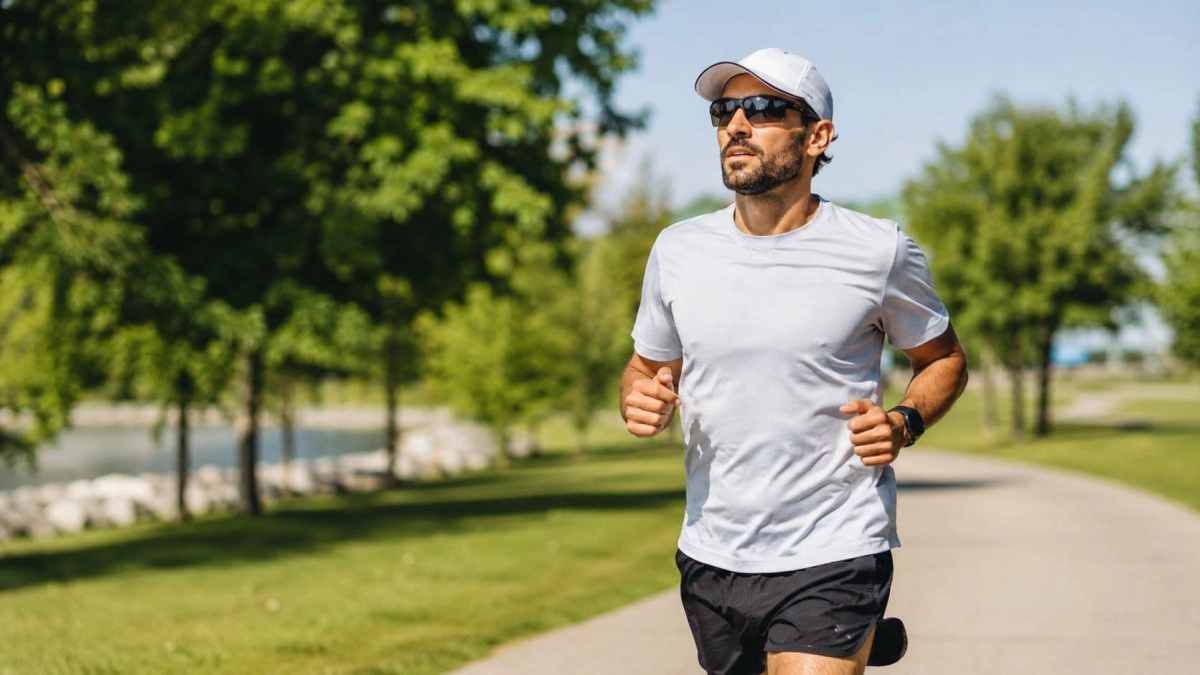
Choose the right time to go for a run
One of the simplest and most effective tips: avoid the middle of the day.
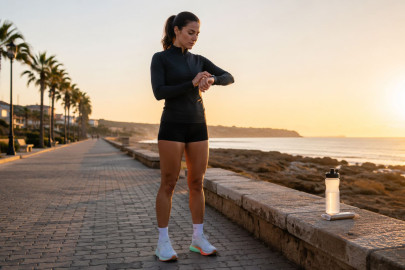
Going for a run between late morning and mid-afternoon can be a bad idea, especially on very hot days or when the sun is beating down directly on the tarmac. Whenever you can, train first thing in the morning or at the end of the day.
In the morning, you’ll find cooler temperatures and a more comfortable heat index. In the late afternoon and evening, the sun isn’t quite as intense, although the ground may still be retaining heat.
If you’re training early or late, take an extra safety precaution: wear reflective clothing or accessories. Seeing and being seen is also part of training properly.

Hydration: the one thing that’s non-negotiable
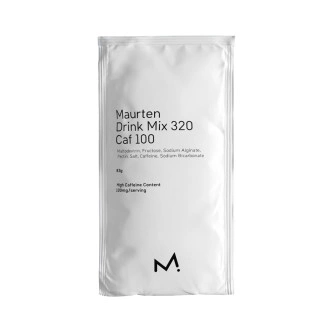
Hydration is the key to staying healthy in summer. Not just during training, but before and after as well.
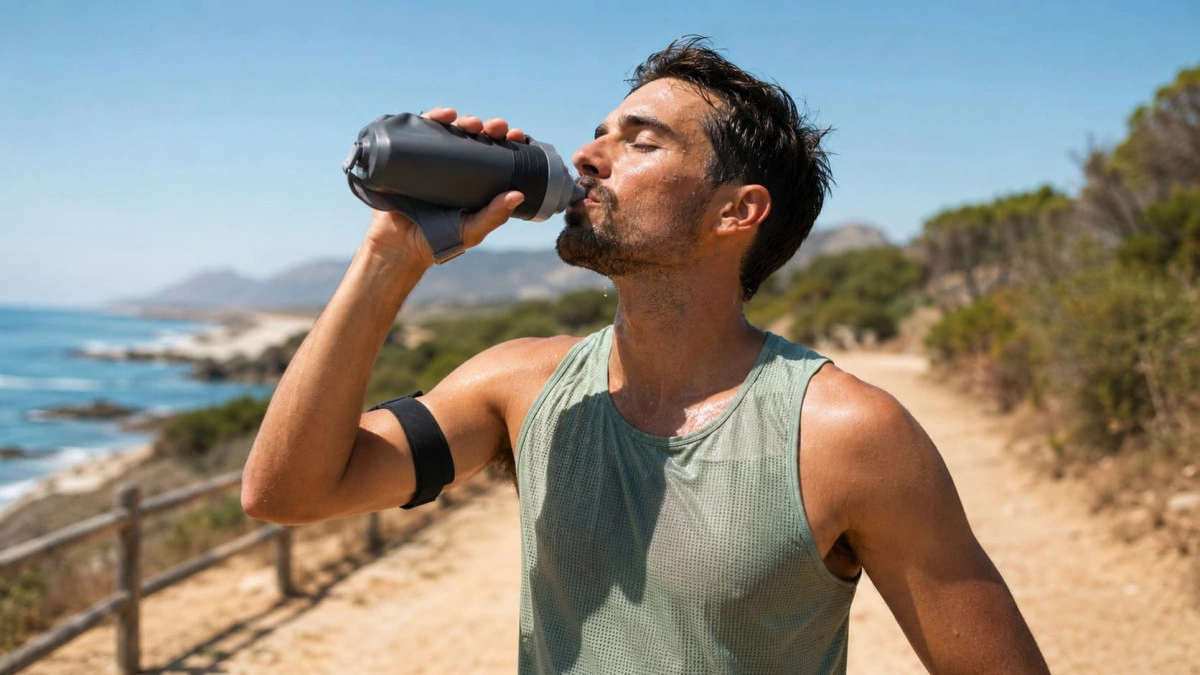
If you’re only going a few kilometres, proper hydration beforehand might be enough. But if your training session is long, intense or it’s very hot, carrying water with you is no longer optional.
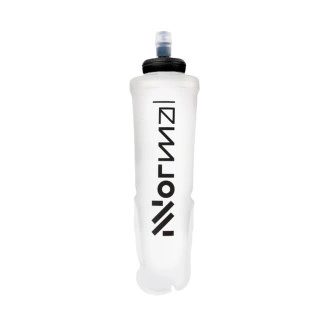
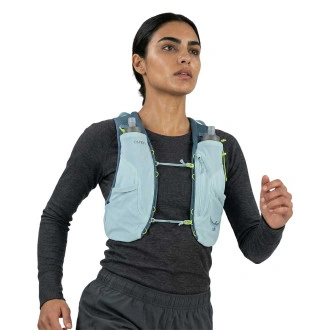
A running bottle is perfect for daily training, track sessions, the gym or short runs. For long runs, trail running or routes where you’re not sure if you’ll find water sources, soft flasks, hydration belts or vests are much more comfortable.
The idea is simple: don’t wait until you’re thirsty to drink. By the time you feel thirsty, your body is already starting to cry out for help.
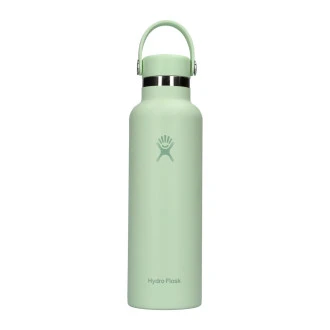
Protects your head, eyes and skin
Running in the sun without protection can make your training much harder than it needs to be. Your head, face and eyes are exposed to a lot of direct sunlight, especially on open routes, in urban areas with no shade or on trail runs.
A lightweight cap helps reduce direct exposure to the sun and makes you feel more comfortable. Sunglasses protect your eyes and stop you from straining your eyes throughout your run. And sun cream should be part of your routine whenever you’re out and about during the day.
It’s not about overcomplicating things. It’s about preparing properly for your run.
-

Cap Run Grf Cap Onix-Carbon
-17%€29.99€24.99Go to technical description -

Sunglasses Falkors Fever Dream blue
€31.99Go to technical description
Wear technical, lightweight and breathable clothing
In summer, what you wear makes a big difference. A heavy or non-breathable T-shirt can cause you to build up more sweat, feel hotter and become more uncomfortable right from the first few kilometres.
Opt for technical, lightweight and breathable clothing. Short-sleeved T-shirts, vests, shorts, running tights and running socks are key items for training more effectively in hot weather.
Avoid cotton when running. It retains more moisture, takes longer to dry and can cause chafing. Technical clothing, on the other hand, helps wick away sweat and keeps you feeling more comfortable whilst exercising.
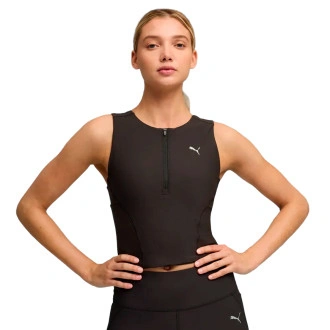
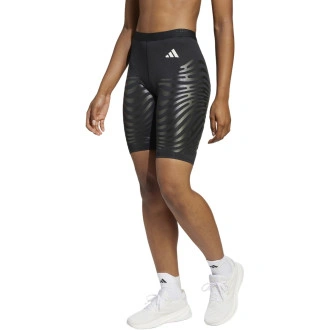

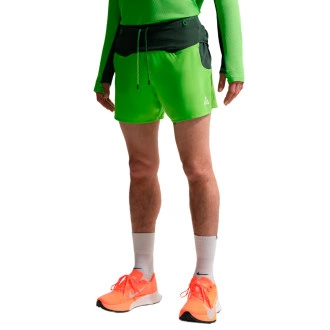
Adjust the pace and intensity
In summer, it’s not always about chasing your personal best. Sometimes, the best training session is the one you complete properly, without pushing yourself too hard.
In hot weather, your body needs more energy to regulate its temperature. That’s why trying to maintain the same pace as on cooler days can lead to unnecessary fatigue.
Ease off the intensity a little, start gently and let your body adapt. If you notice your heart rate rising too quickly, slow down. If the heat is extreme, adjust your session: fewer kilometres, fewer intervals or even switch to an indoor workout.
Training smart is also a way of making progress.
Plan long runs more effectively
Going for a 30-minute run near home isn’t the same as going for a long run, a trail run or a training session away from areas with water.
On long runs, it’s a good idea to think in advance about everything you might need: water, energy gels, electrolytes, your mobile phone, keys, sun cream and any extra gear if you’re heading into the mountains or less-travelled areas.
This is where products such as soft flasks, running belts, bum bags, rucksacks or hydration vests come in. They allow you to carry what you need without carrying too much and without having to stop every few minutes.
Listen out for the warning signs
Running in hot weather requires caution. There are days when you simply have to stop, even if your training session isn’t finished.
Headaches, dizziness, nausea, chills, cramps, a feeling of weakness, very hot skin or confusion are signs you mustn’t ignore. If they occur, stop your training, find some shade or a cool place, drink water slowly and cool your body down.
No training session is worth putting your health at risk. In summer, knowing when to stop is also part of the plan.
A quick checklist before going for a run in summer
Before you start, go over these basics:
- Choose a time when it’s not so hot.
- Check the temperature and the heat index.
- Avoid routes without shade during the hottest part of the day.
- Hydrate before you set off.
- Take a water bottle, soft flask or hydration vest if your training requires it.
- Wear light, breathable clothing.
- Protect your head, eyes and skin.
- Adjust your pace and distance.
- Take your mobile phone with you if you’re going for a long run just in case you notice any unusual symptoms.

Get ready for your summer training sessions
Running in the heat doesn’t mean stopping your training. It means adapting your running style to summer conditions.
With good planning, proper hydration, technical clothing and the right accessories, you can keep racking up the kilometres more safely and feeling better.
At Running Emotion, we’ve brought together everything you need to train and compete in the heat: water bottles, soft flasks, caps, sunglasses, breathable clothing and accessories designed to ensure summer doesn’t slow you down.
Discover our Summer Accessories collection and get ready to run better as the temperatures rise.