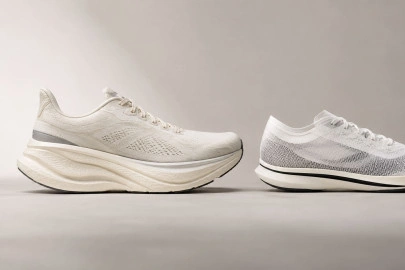
Starting to run from scratch can seem challenging, especially in winter. Low temperatures, rain, or even snow can be demotivating factors. But winter is also one of the best seasons to get into the habit of running: fewer people on the streets, cool weather that's ideal for avoiding overheating, and the opportunity to enjoy unique winter landscapes.
In this post, we give you a beginner's plan for starting to run in winter and tell you what clothing, shoes and accessories you need to stay comfortable and motivated.
Advantages of running in winter
- Improved immune system
- Ideal conditions for training without heat
- Strengthens mental strength and perseverance
- Less crowding in parks or gyms
Warm clothing for running in winter
The key is to dress in layers. These are the essential items:
- Breathable thermal base layer: helps retain heat and wick away sweat.
- Mid layer: a lightweight fleece or long-sleeved technical top.
- Windproof or waterproof outer layer: ideal for rain or snow.
- Thermal leggings or technical long trousers.
- Beanie, gloves and neck warmer: areas where a lot of body heat is lost.
Tip: avoid cotton. Always opt for technical fabrics that maintain your temperature without becoming soaked with sweat.
Shoes suitable for cold and wet conditions
Not all trainers are suitable for winter. We recommend:
- Shoes with good traction: especially if you run on muddy or snowy trails.
- Models made from waterproof materials or Gore-Tex: these will keep your feet dry and protected.
- Adapted cushioning: especially if you run on cold asphalt or hard surfaces.
Nutrition and hydration in winter
Although you don't sweat as much as in summer, your body still needs hydration and energy:
- Drink water before and after running, even if you are not thirsty.
- Include complex carbohydrates and proteins in your pre- and post-workout meals.
- You can consume hot drinks before going out to activate your body.
Training plan for beginners (8 weeks)
Here is an example of a progressive plan to start from scratch, 3 days a week for 30 minutes:
Week 1: Walk for 5 minutes + jog for 1 minute / repeat 4 times.
Week 2: Walk for 3 minutes + jog for 2 minutes / repeat 5 times.
Week 3: Walk for 2 minutes + jog for 3 minutes / repeat 5 times.
Week 4: Walk for 1 minute + jog for 4 minutes / repeat 5 times.
Week 5: Walk 1 min + jog 5 min / repeat 4 times.
Week 6: Walk 1 min + jog 6 min / repeat 4 times.
Week 7: Walk 1 min + jog 8 min / repeat 3 times.
Week 8: Jog 10 min / repeat 3 times.
Tip: Stretch beforehand. Gradually increase your running time until you can run for 20-30 minutes straight. Always run at your own pace, and as you get fitter, increase your speed.

Tips for staying motivated
- Run with music or a podcast.
- Track your progress with an app.
- Run during the day whenever possible to take advantage of natural light.
- Find a training partner.
Running in winter is entirely possible and very beneficial if you know how to get started. With the right apparel, weather-specific shoes and a good training plan, you can turn the cold into your best ally.
At Running Emotion, we have everything you need to kit yourself out from head to toe and start running today.