Choosing the right running shoes isn’t just about picking your favourite brand or the most popular model of the moment. Every runner has a different foot strike, a different technique and specific needs depending on their weight, pace, usual distance and type of training.
One of the most common questions among runners is this: do I need running shoes for pronators?
We’re here to answer that, or rather, to help you with your query. If, when running, you notice that your foot tends to roll inwards, you wear out the inside of the sole more quickly, or you’re looking for a more stable stride, you might want to consider running in shoes with pronation control. This type of footwear is designed to offer more support, guide your stride better and help you run with a greater sense of security.
What does it means to be a pronator?
Pronation is a natural movement of the foot. When you run, your foot strikes the ground, absorbs the impact and adapts to the terrain. During this process, it is normal for the foot to roll slightly inwards.
The problem arises when that inward roll is excessive or poorly controlled. This is often referred to as overpronation. In these cases, the ankle may tilt too far inwards and your stride may lose stability, particularly during long runs, at a gentle pace or when fatigue sets in.
Being a pronator doesn’t mean you’re a bad runner. Nor does it mean you’re bound to get injured. It simply indicates that your foot strike may need extra support to maintain a more stable and comfortable transition.
That’s why there are running shoes for pronators, also known as stability shoes or pronation control shoes.
How to know if you need pronator shoes?
Although it is best to have a foot analysis carried out or consult a specialist if you experience recurring discomfort, there are a few signs that can help guide you:
- You wear out the inside of the sole more quickly.
- You feel your ankle rolling inwards when running.
- You feel a lack of stability on long runs.
- You experience frequent discomfort in your ankles, knees or
- the inner side of your leg.
- You have been advised to wear shoes with support or stability control.
- When you wear neutral shoes, you feel that your foot is ‘loose’ or not properly supported.
You can also use the Running Emotion shoe recommender, a very useful tool for finding models based on your foot strike type, surface, pace, distance and training needs.
What is the difference between a neutral running shoe and a shoe for pronators?
Neutral shoes are designed for runners who do not require specific support on the inside of the foot. They typically offer cushioning, comfort and a natural transition, but do not incorporate features designed to control excessive pronation.
Running shoes for pronators, on the other hand, incorporate stability technologies. Depending on the brand, this support may take the form of lateral panels, wider geometries, midsoles with varying densities, guidance systems or structures that help keep the foot better aligned during the run.
The aim is not to ‘force’ the foot strike, but to support it. Modern stability shoes are much more comfortable, lightweight and dynamic than classic pronation control models. That is why today we find highly versatile options for both beginner and experienced runners.
What should a good running shoe for overpronators have?
When choosing running shoes if you’re an overpronator, it’s not enough to simply look for any model labelled ‘stability’. There are several important factors you need to bear in mind.
1. Good arch support
The key point is that the shoe helps to control excessive inward movement. This support should feel natural, without being stiff or uncomfortable.
2. Stable base
A wide platform provides greater stability with every step. This is particularly important if you run long distances, train on tarmac or are looking for a reliable shoe for high mileage.
3. Adequate cushioning
Running shoes for pronators don’t have to be stiff. In fact, many modern models combine stability with soft, responsive and comfortable cushioning, making them ideal for daily training.
4. Upper with good support
Fit matters too. A secure upper helps prevent the foot from shifting inside the shoe, which is essential for maintaining stability.
5. Comfort for your usual journey
You don’t need the same shoes for running 5 km twice a week as you do for training for a half marathon or a full marathon. The longer the run, the more important it is to combine support, cushioning and comfort.
Best stability shoes
And here’s the list of the best shoes you’ve all been waiting for. We’ve split it into three sections, plus a bonus entry. Let’s take a look:Shoes for pronators, designed for daily training
If you’re looking for a reliable running shoe for clocking up the miles, going for easy runs and training several times a week, you need a model that’s comfortable, stable and durable.
This is where shoes like the following come in:
The ASICS GT-2000 14 is one of the most balanced options for runners seeking stability without sacrificing a smooth stride. It is an ideal shoe for daily training, road runs and runners who need moderate support.
Its combination of cushioning and control makes it a very attractive option for those who want a comfortable, secure and versatile shoe.
-
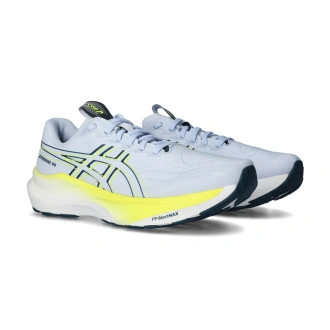
Running Shoes GT-2000 14 blue fade-tranquil teal
-45%€159.99€87.99Go to technical description -
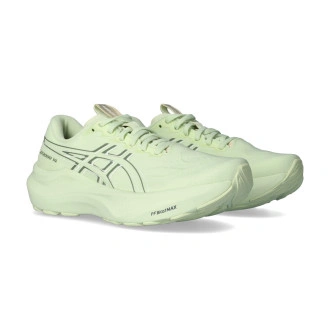
Running Shoes Women's Gt-2000 14 whisper green-monument blue
-40%€159.99€95.99Go to technical description
The Brooks Adrenaline GTS 25 is a classic among stability shoes. Its support system is designed to guide the foot strike progressively, offering a great sense of control without feeling restrictive.
It is the perfect shoe for runners looking for comfort, protection and confidence during their daily training sessions.
-
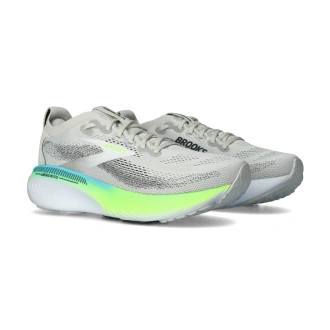
Running Shoes Adrenaline GTS 25 Oyster-Green Gecko-Blue
-15%€159.99€135.99Go to technical description -
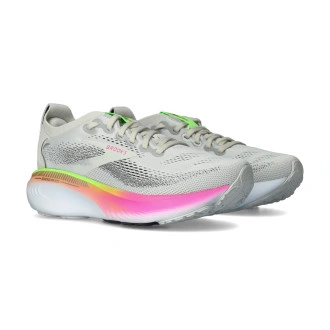
Running Shoes Women Adrenaline GTS 25 Oyster-Pink-Green
-15%€159.99€135.99Go to technical description
The Saucony Guide 19 is a daily training shoe designed for runners who want stability, but with a modern, natural feel. It offers support, cushioning and a smooth transition, allowing you to rack up the miles with confidence.
It’s a good choice if you’re looking for a stable shoe but don’t want one that feels overly stiff.
-
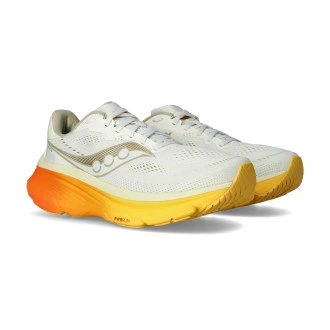
Running Shoes Guide 19 Ivory-Fire
-55%€159.99€71.99Go to technical description -
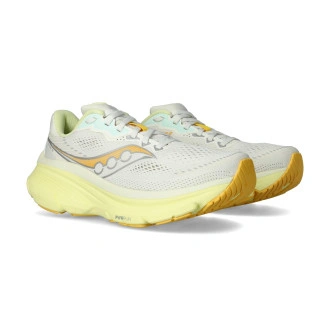
Running Shoes Guide 19 Mujer Ivory-Tender
-45%€159.99€87.99Go to technical description
Running shoes for pronators with maximum cushioning
If comfort is your priority, you run long distances, or you’re looking for a shoe that offers plenty of support for long training sessions, you might want to opt for models with more cushioning.
The ASICS Gel-Kayano 32 is the go-to choice for pronating runners seeking maximum stability and comfort. It is a shoe designed for safe training, particularly on long runs or during sessions where fatigue can affect running form.
It is a highly recommended option for those looking for a premium stability shoe.
-
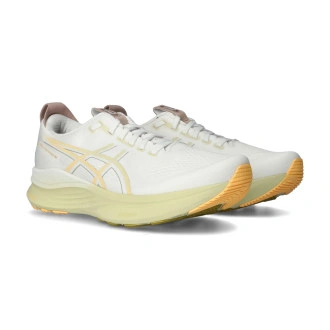
Running Shoes Gel-Kayano 32 White-Orange Glow
-45%€199.99€109.99Go to technical description -
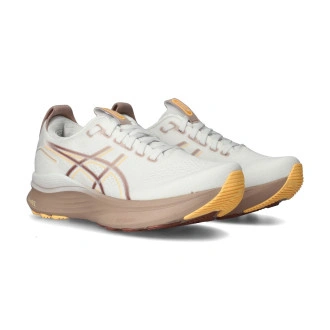
Running Shoes Women's Gel-Kayano 32 White-Orange Glow
-45%€199.99€109.99Go to technical description
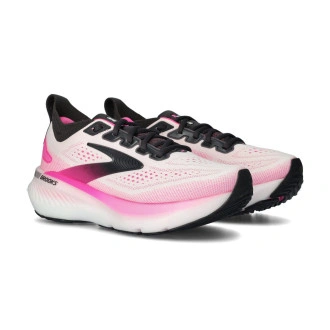
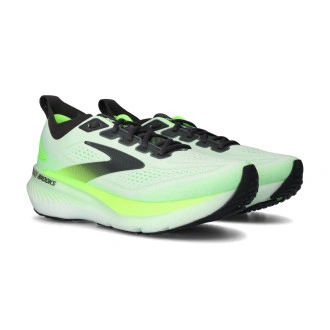
The Brooks Glycerin GTS 23 combines a very comfortable ride with extra support. It is an ideal shoe for runners who want plenty of cushioning but also need a structure that provides stability.
If you’re looking for a soft, protective and stable shoe for road running, this is one of the most well-rounded options available.
Running shoes for pronators with light stability
Not all pronators need a highly structured shoe. Some runners are simply looking for a little help to keep their foot strike more centred, without compromising on lightness or responsiveness.
The HOKA Arahi 8 is a very interesting shoe for those looking for stability in a lightweight, agile design. Its design helps guide your stride without feeling heavy or overly restrictive.
It’s a good option for runners who want support, but also a comfortable shoe that’s easy to move in.
-
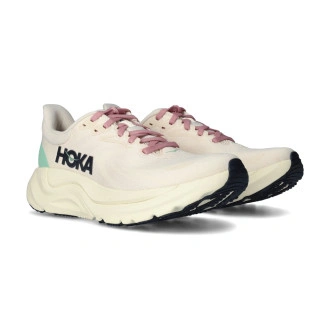
Running Shoes Women Arahi 8 rose cream-alab
-19%€159.99€129.99Go to technical description -
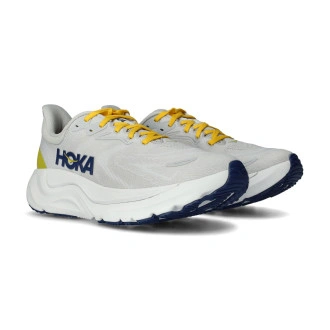
Running Shoes Arahi 8 stardust-cosmic
-44%€159.99€89.99Go to technical description
Bonus track: Nike for pronators
If you enjoy running in Nike shoes and need more stability, we recommend the Structure range. Models such as the Nike Structure 26 or the Nike Structure Plus could be good options. These shoes are designed to provide a stable stride, with good support and cushioning suitable for regular training on tarmac.
-
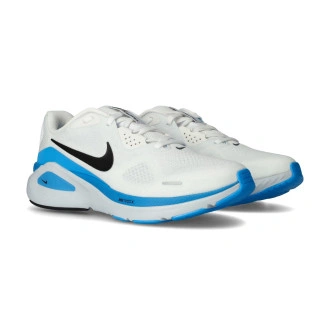
Running Shoes Structure 26 White
-50%€139.99€69.99Go to technical description -
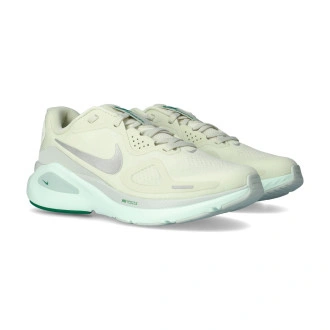
Running Shoes Structure 26 Mujer Sea Glass-Mtlc Silver-Lt Silver-Barely Green-
-25%€149.99€111.99Go to technical description
-
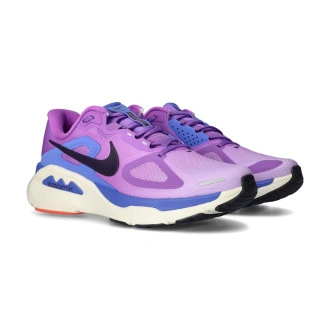
Running Shoes Women Structure Plus Brt Violet-Purple Dynasty-Violet Mist-Sapphir
-45%€179.99€98.99Go to technical description -
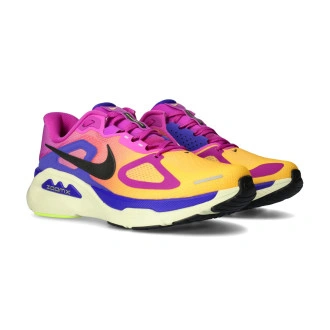
Running Shoes Structure Plus Violet-Black-Citron Pulse-Indigo Burst-
-30%€179.99€125.99Go to technical description
What if I also need insoles?
Some runners use custom insoles or sports insoles to improve the fit, comfort or support. In that case, it is important to check that the shoe has enough room and that the combination is not too stiff.
If you already use insoles, it is best to try them out with your new shoes before you go for a run. That way, you can check that the fit is comfortable and that your foot is well supported.
Find the perfect running shoes and enjoy
Running shoes for pronators are a great choice for runners looking for greater stability, support and confidence with every stride. It’s not about aggressively correcting your running form, but about finding a shoe that works with your stride and helps you train with a better feel.
At Running Emotion, you’ll find a wide selection of pronation control shoes for men and women, featuring models from brands such as ASICS, Brooks, HOKA, Saucony, New Balance and Nike.
Whether you’re just starting out, preparing for a half-marathon or a full marathon, or simply want to train in greater comfort, choosing the right shoes can make all the difference. Ultimately, it’s about enjoying yourself whilst giving it your all on the run, but without injury. Sport as a synonym for health.